

Typhoid fever is a serious bacterial infection that continues to affect thousands of people every year. Although medical advancements have made the condition highly treatable, delayed diagnosis and lack of proper care can lead to severe health complications. The infection often begins with symptoms that resemble common viral illnesses, causing many people to ignore the warning signs until the condition worsens.
Typhoid is caused by Salmonella Typhi, a bacterium that spreads through contaminated food and water. The disease is particularly common in areas where sanitation and hygiene standards may be inadequate. While anyone can develop typhoid fever, children, older adults, and individuals with weakened immune systems are often at greater risk of experiencing complications.
Understanding the symptoms, causes, treatment options, and preventive measures can help individuals seek timely medical care and protect themselves from serious health consequences.
What Is Typhoid Fever?
Typhoid fever is an infectious disease that primarily affects the digestive system but can eventually spread throughout the body if left untreated. Once the bacteria enter the body, they travel through the intestines and bloodstream, triggering a range of symptoms that gradually become more severe.
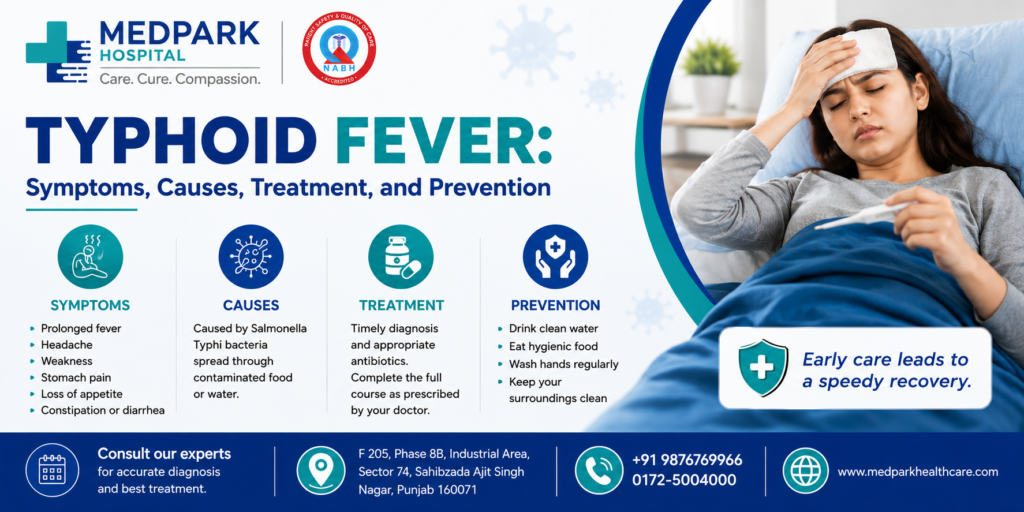
Unlike common stomach infections that usually resolve within a few days, typhoid fever often develops slowly. Early symptoms may appear mild, making it difficult for individuals to recognize the infection immediately. As the bacteria multiply, the body’s immune response increases, leading to prolonged fever and other systemic symptoms.
Without appropriate medical treatment, typhoid can affect multiple organs and lead to potentially life-threatening complications. This is why early diagnosis and professional healthcare intervention are extremely important.
How Does Typhoid Spread?
Typhoid fever spreads through the consumption of food or water contaminated with Salmonella Typhi bacteria. Poor sanitation, unsafe drinking water, and inadequate food handling practices are among the most common factors contributing to the transmission of the disease.
The infection may spread when food is prepared by someone carrying the bacteria or when water sources become contaminated with human waste. Raw fruits and vegetables washed with contaminated water can also increase the risk of infection.
Individuals who have recovered from typhoid may sometimes continue carrying the bacteria without showing symptoms. These carriers can unknowingly spread the infection to others if proper hygiene practices are not maintained. Regular handwashing, safe food preparation, and access to clean drinking water remain some of the most effective methods for preventing typhoid fever.
Common Symptoms of Typhoid Fever
Typhoid symptoms usually develop gradually and may become more noticeable over time. In the early stages, many people mistake the infection for a seasonal illness or viral fever.
Common symptoms include:
- Persistent high fever
- Fatigue and weakness
- Headache
- Loss of appetite
- Abdominal discomfort
- Constipation or diarrhea
- Muscle aches
- Nausea and vomiting
- Dry cough
- General feeling of illness
As the infection progresses, the fever may continue rising, and symptoms can become increasingly severe. Some patients may experience confusion, dehydration, or significant weight loss during advanced stages of the illness.
Because the symptoms often overlap with other infections, professional medical evaluation is necessary to confirm the diagnosis.
Why Early Diagnosis Is Important
One of the biggest challenges associated with typhoid fever is delayed diagnosis. Many individuals attempt self-medication or rely on home remedies, assuming the fever will disappear on its own. Unfortunately, delaying treatment can allow the infection to spread further within the body.
Early diagnosis enables healthcare professionals to identify the infection before complications develop. Prompt treatment not only shortens recovery time but also reduces the likelihood of hospitalization and long-term health issues.
Seeking medical attention when fever persists for several days is often the safest approach, particularly when accompanied by digestive symptoms, fatigue, or loss of appetite.
Diagnostic Tests for Typhoid
Diagnosing typhoid fever requires a combination of clinical evaluation and laboratory investigations. Healthcare providers typically begin by reviewing the patient’s symptoms, travel history, dietary habits, and possible exposure to contaminated food or water.
Common diagnostic methods include:
Blood Tests
Blood tests help identify bacterial infections and provide valuable information about the patient’s overall health condition.
Stool and Urine Analysis
These tests may help detect the presence of the bacteria and support the diagnosis.
Culture Tests
Culture testing is often considered one of the most reliable methods for confirming typhoid infection.
Accurate diagnosis helps ensure that patients receive appropriate treatment based on the severity of their condition.
Typhoid Treatment in Mohali
Seeking timely typhoid treatment in Mohali is essential for preventing complications and ensuring a smooth recovery. Modern treatment approaches focus on eliminating the infection, controlling symptoms, and supporting the body’s natural healing process.
Treatment plans are usually customized according to the patient’s age, medical history, symptom severity, and overall health status. In many cases, medications are prescribed to eliminate the bacteria and prevent the infection from spreading further.
In addition to medication, patients are advised to maintain adequate hydration and follow a balanced diet to support recovery. Rest is equally important, as the body requires sufficient energy to fight the infection and rebuild strength.
Individuals should never discontinue treatment prematurely, even if symptoms begin improving. Completing the prescribed course of treatment is crucial for preventing recurrence and reducing the risk of antibiotic resistance.
Fever Treatment in Mohali
Persistent fever is one of the most noticeable symptoms of typhoid infection. However, fever can also be associated with many other medical conditions, making proper evaluation important.
Professional fever treatment in Mohali focuses on identifying the underlying cause rather than merely controlling body temperature. Healthcare providers conduct detailed assessments and recommend appropriate investigations to determine whether the fever is caused by typhoid, viral infections, bacterial illnesses, or other health concerns.
Timely medical intervention can significantly improve outcomes, particularly when fever is accompanied by weakness, digestive disturbances, or prolonged discomfort. Seeking medical advice early helps ensure accurate diagnosis and appropriate treatment.
Recovery and Post-Treatment Care
Recovery from typhoid fever may take several weeks depending on the severity of the infection and the individual’s overall health. During this period, patients should continue following medical advice and avoid activities that may delay healing.
Helpful recovery measures include:
- Staying well hydrated
- Consuming nutritious meals
- Getting adequate rest
- Following medication schedules
- Attending follow-up appointments
Returning to work or strenuous physical activities too soon may slow recovery and increase fatigue. A gradual return to normal routines is often recommended.
Preventing Typhoid Fever
Preventive measures remain one of the most effective ways to reduce the risk of typhoid infection.
Important prevention strategies include:
- Drinking clean and filtered water
- Washing hands regularly with soap
- Avoiding food from unhygienic sources
- Maintaining proper sanitation
- Washing fruits and vegetables thoroughly
- Practicing safe food handling techniques
- Considering vaccination when recommended
These simple yet effective habits can significantly reduce exposure to harmful bacteria and protect overall health.
Choosing the Best Hospital for Typhoid Treatment in Mohali
When dealing with an infectious disease such as typhoid fever, selecting the right healthcare provider plays an important role in recovery. The best hospital for typhoid treatment in Mohali should offer experienced medical professionals, accurate diagnostic facilities, and comprehensive patient care services.
Access to timely investigations, personalized treatment plans, and continuous monitoring helps improve treatment outcomes and reduces the risk of complications. A patient-centered approach ensures that individuals receive the support they need throughout their recovery journey.
At MedPark Hospital, patients benefit from comprehensive medical care, advanced diagnostic facilities, and experienced healthcare professionals dedicated to delivering quality treatment and compassionate support.
Conclusion
Typhoid fever is a preventable and treatable bacterial infection, but it should never be ignored. Recognizing symptoms early, seeking professional medical care, and following recommended treatment plans can help prevent complications and promote faster recovery. Individuals experiencing persistent fever, digestive symptoms, or unexplained weakness should consult a healthcare professional without delay. At MedPark Hospital, expert medical care and personalized treatment approaches help patients recover safely while supporting long-term health and well-being.