
The gallbladder is a small but important organ that supports digestion by storing bile produced by the liver. Bile helps the body digest fats efficiently. Although the gallbladder plays a useful role, it is not essential for survival. Many people live normal, healthy lives even after its removal when medical conditions demand it.
Gallbladder-related disorders are quite common, especially among adults. These problems usually develop when bile thickens and forms stones, leading to pain and discomfort. While some individuals may not notice symptoms initially, others experience frequent digestive troubles that worsen over time.
Common Gallbladder Problems and Symptoms
Gallstones are the most frequently diagnosed gallbladder condition. They may remain silent in some cases, but for many patients, they cause significant pain and digestive issues. Typical symptoms include sharp pain in the upper abdomen, nausea, vomiting, bloating after meals, and discomfort that may radiate to the back or shoulder.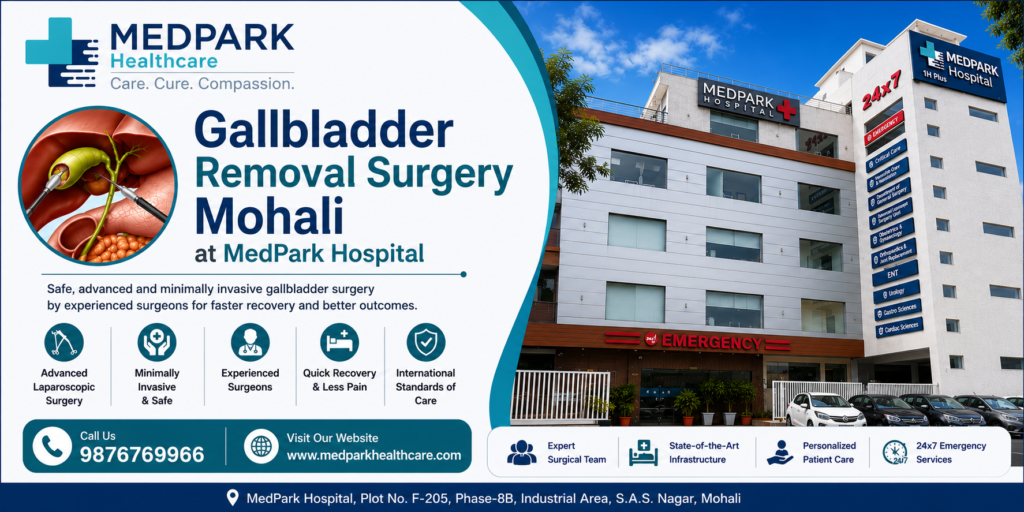
In certain situations, gallstones can block bile ducts or cause inflammation of the gallbladder. This may result in infection, fever, or serious complications affecting nearby organs. When symptoms become persistent or severe, surgical treatment is often the safest and most effective solution.
What Does Gallbladder Removal Involve?
Gallbladder removal, medically known as cholecystectomy, is a surgical procedure in which the gallbladder is completely removed. Advances in medical technology have made this surgery safer and less invasive than in the past. Today, it is most commonly performed using laparoscopic methods, which require only small incisions.
This minimally invasive approach allows surgeons to operate with greater accuracy while reducing trauma to surrounding tissues. As a result, patients experience less pain, shorter hospital stays, and faster recovery. The body quickly adapts to the absence of the gallbladder, with bile flowing directly from the liver to the intestine.
Who Should Consider Surgery?
Doctors usually recommend gallbladder removal for patients who suffer from repeated gallstone attacks, inflammation, or complications that interfere with daily life. If symptoms continue despite medication or dietary changes, surgery becomes the most reliable long-term option.
Patients advised to undergo gallbladder removal surgery mohali often include those with frequent abdominal pain, recurring infections, or a risk of future complications. Early intervention helps prevent emergencies and improves overall quality of life.
Preparing for the Surgery
Before the procedure, patients undergo thorough evaluation, including imaging tests and blood investigations. These assessments help doctors plan the surgery safely and reduce risks. Clear instructions are provided regarding fasting, medications, and lifestyle adjustments before admission.
Understanding the process plays a key role in easing anxiety. When patients are well informed about what to expect, they feel more confident and prepared for treatment.
Recovery and Post-Surgery Care
Recovery after gallbladder removal is generally smooth. Most patients are encouraged to start walking within a few hours of surgery. Light meals are introduced gradually, and normal eating habits usually resume within a short time.
Some people may notice temporary digestive changes, such as mild bloating or loose stools. These effects typically settle as the body adjusts. Following medical advice and maintaining a balanced diet helps support faster healing.
Importance of Surgical Expertise and Facilities
The success of gallbladder surgery depends largely on the experience of the surgical team and the quality of medical infrastructure. Skilled surgeons, modern operation theatres, and attentive post-operative care significantly reduce the risk of complications.
Patients looking for gallbladder removal surgery mohali should prioritise hospitals that combine medical expertise with patient-focused care. A supportive environment ensures comfort and confidence throughout the treatment journey.
Advanced Surgical Care and Patient Support
At MedPark Hospital, gallbladder surgeries are performed using advanced laparoscopic techniques designed to minimise discomfort and promote faster recovery. The hospital follows strict safety protocols and offers personalised treatment plans based on each patient’s condition.
From the first consultation to post-surgery follow-ups, the medical team ensures clear communication and compassionate care. Modern facilities and trained staff work together to create a safe and reassuring experience for patients and their families.
Long-Term Health After Gallbladder Removal
Living without a gallbladder does not restrict a person’s lifestyle. Most patients return to normal activities within a few weeks. Maintaining healthy eating habits, staying active, and following medical guidance contribute to long-term digestive wellness.
Regular follow-ups help monitor recovery and address any concerns early. With proper care, patients enjoy lasting relief from pain and improved quality of life after surgery.
Choosing timely treatment for gallbladder removal surgery mohali can prevent complications and provide permanent relief from gallbladder-related discomfort.
Conclusion
Gallbladder disorders can disrupt daily life and lead to serious health issues if left untreated. Surgical removal of the gallbladder is a proven and effective solution for patients with recurring symptoms or complications. Thanks to minimally invasive techniques, the procedure is safer and recovery is quicker than ever before. At MedPark Hospital, the focus is on delivering safe, reliable, and patient-centred surgical care. With experienced doctors, modern technology, and dedicated post-operative support, patients receive comprehensive gallstones treatment under one roof. For those seeking expert care for gallbladder conditions, MedPark Hospital offers a trusted path toward recovery and long-term well-being.