
Urinary incontinence is a condition that affects many women, yet it often goes untreated because of embarrassment or the misconception that urine leakage is a normal part of growing older. While the condition is common, it is not something you have to live with. With the right Female Urinary Incontinence Treatment, most women can regain bladder control and return to their everyday activities with confidence.
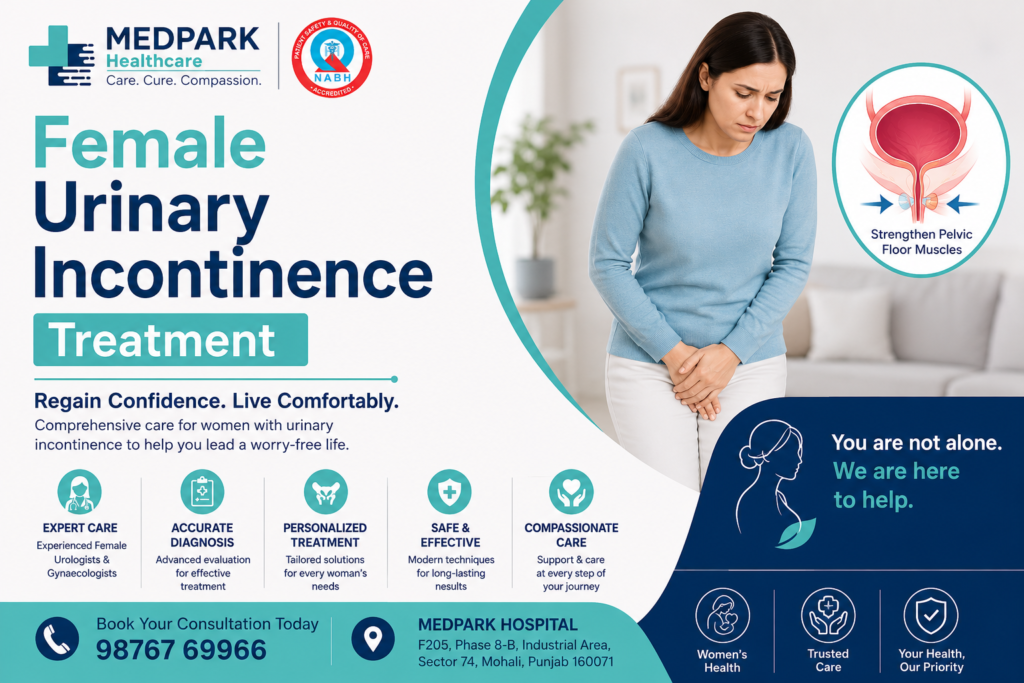
At MedPark Hospital, we believe that every woman deserves compassionate and confidential care. Our experienced specialists use advanced diagnostic methods and personalized treatment plans to help patients manage urinary incontinence effectively and improve their quality of life.
Understanding Female Urinary Incontinence
Female urinary incontinence is the unintentional leakage of urine caused by poor bladder control. The problem may be mild, with occasional leakage while laughing or coughing, or more severe, where the urge to urinate becomes difficult to control.
Women of all ages can experience urinary incontinence, although it is more common after pregnancy, childbirth, menopause, or with increasing age. Regardless of the cause, seeking timely Female Urinary Incontinence Treatment can prevent the condition from affecting your daily routine and emotional well-being.
Different Types of Urinary Incontinence
Not every woman experiences urinary incontinence in the same way. Identifying the type of incontinence is the first step toward choosing the most effective treatment.
Stress Urinary Incontinence occurs when pressure on the bladder causes urine leakage during activities such as coughing, sneezing, laughing, running, or lifting heavy objects.
Urge Urinary Incontinence is characterized by a sudden and intense need to urinate, often leading to leakage before reaching the restroom. This condition is commonly associated with an overactive bladder.
Some women experience Mixed Urinary Incontinence, where symptoms of both stress and urge incontinence are present. Less frequently, urinary leakage may occur due to incomplete bladder emptying (overflow incontinence) or physical limitations that prevent timely access to a toilet (functional incontinence).
What Causes Urinary Incontinence in Women?
Several factors can weaken the muscles and tissues that support the bladder. Pregnancy and vaginal delivery are among the most common causes, as they can stretch the pelvic floor muscles. Hormonal changes during menopause may also reduce the strength of the tissues surrounding the bladder.
Other contributing factors include obesity, chronic coughing, diabetes, urinary tract infections, constipation, neurological conditions, pelvic organ prolapse, and previous pelvic surgeries. Lifestyle habits such as smoking and a lack of regular physical activity may also increase the risk.
Signs You Shouldn’t Ignore
The symptoms of urinary incontinence can vary from person to person. Some women notice urine leakage only during physical activity, while others experience frequent urges to urinate throughout the day or night.
You should consider consulting a specialist if you experience:
- Leakage while coughing, sneezing, or laughing
- Sudden and uncontrollable urges to urinate
- Frequent trips to the bathroom
- Waking several times during the night to urinate
- Difficulty holding urine until reaching the toilet
- Leakage that interferes with work, travel, or social activities
Early evaluation can make treatment simpler and more effective.
How We Diagnose the Condition
At MedPark Hospital, diagnosis begins with understanding your symptoms, medical history, and lifestyle. A physical examination and pelvic assessment help identify possible causes, while additional investigations may be recommended when needed.
These may include urine tests, ultrasound, bladder function studies (urodynamic testing), bladder diaries, or cystoscopy. The aim is to determine the exact cause so that treatment is tailored specifically to your condition.
Female Urinary Incontinence Treatment at MedPark Hospital
Every woman is different, which is why treatment is always personalized.
For mild symptoms, simple lifestyle changes can make a noticeable difference. Maintaining a healthy weight, limiting caffeine, treating constipation, and stopping smoking can help reduce bladder irritation and improve bladder control.
Pelvic floor strengthening exercises, often called Kegel exercises, are one of the most effective non-surgical treatments. These exercises improve muscle strength and provide better support to the bladder.
Women with overactive bladder may benefit from bladder training techniques and medications that reduce urgency and frequent urination.
If symptoms continue despite conservative treatment, our specialists may recommend minimally invasive procedures such as urethral bulking injections, Botox therapy, or neuromodulation. In more advanced cases, surgical procedures including mid-urethral sling surgery or pelvic floor repair may provide long-term relief.
Our goal is always to recommend the least invasive treatment that delivers the best possible outcome.
Why Choose MedPark Hospital?
Women choose MedPark Hospital because we combine clinical expertise with compassionate care. Our team understands that discussing bladder problems can be uncomfortable, so every consultation is handled with complete privacy and respect.
We offer experienced specialists, advanced diagnostic facilities, minimally invasive treatment options, NABH-accredited healthcare services, and dedicated follow-up care to support your recovery.
Tips to Protect Your Bladder Health
Although not every case can be prevented, healthy lifestyle habits can reduce the risk of urinary incontinence. Regular pelvic floor exercises, maintaining a healthy weight, drinking enough water, avoiding smoking, staying physically active, and treating constipation promptly all contribute to better bladder health.
Women should also seek medical advice if urinary symptoms begin after childbirth or menopause, as early treatment often prevents the condition from worsening.
Take the First Step Toward Better Bladder Health
Living with urinary incontinence can affect your confidence, work, relationships, and overall quality of life—but it doesn’t have to. Modern Female Urinary Incontinence Treatment offers safe and effective solutions for women of every age.
If you’re experiencing bladder control problems, don’t ignore the symptoms. Consult the specialists at MedPark Hospital for a comprehensive evaluation and a treatment plan designed around your needs.