
Pregnancy brings many physical and emotional changes. While most women experience a normal pregnancy, some may need additional medical attention because of existing health conditions or complications that develop along the way. These pregnancies are known as high-risk pregnancies.
A high-risk pregnancy does not mean that something will definitely go wrong. It simply means that the mother or baby may need closer observation, additional tests, or specialised medical care.
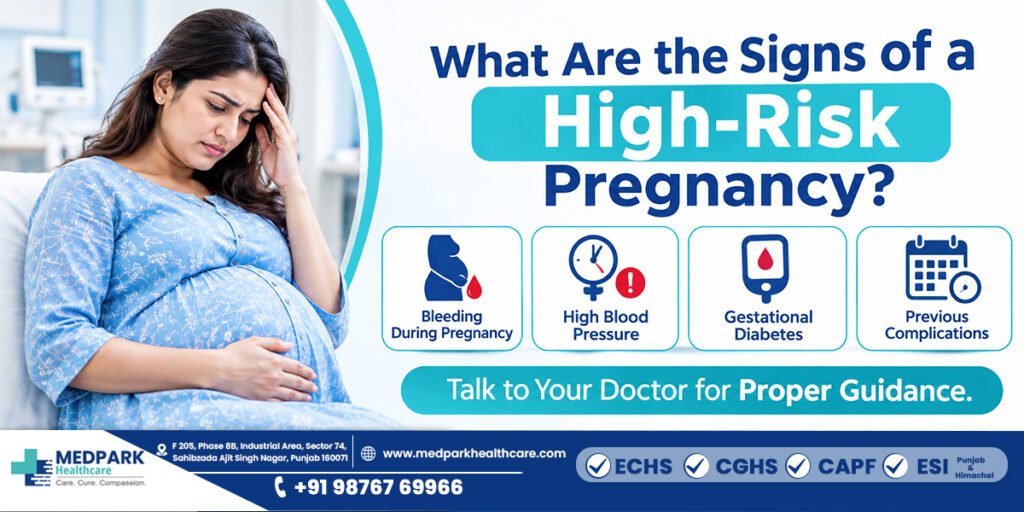
Knowing which warning signs to look for can help expectant mothers seek medical advice at the right time. If you are searching for high risk pregnancy treatment Mohali, understanding the possible risks and the importance of regular pregnancy check-ups is a good place to start.
What Makes a Pregnancy High-Risk?
A pregnancy may be classified as high-risk when certain health conditions increase the possibility of complications for the mother or baby. These conditions may exist before pregnancy or develop during the nine months.
For example, a woman with diabetes or high blood pressure may need more frequent monitoring. Similarly, carrying twins, having a history of pregnancy complications, or developing certain medical conditions during pregnancy may require additional attention.
Every pregnancy is different. A doctor considers the mother’s medical history, current health, pregnancy progress, and baby’s development before deciding whether extra monitoring is necessary.
7 Warning Signs of a High-Risk Pregnancy
Some pregnancy changes are normal, while others may indicate a problem that needs medical attention. The following signs should be taken seriously.
1. Vaginal Bleeding
Bleeding during pregnancy should always be discussed with a doctor. Although light spotting can sometimes occur without a serious problem, bleeding may also be associated with miscarriage, placental complications, or other pregnancy-related concerns.
Heavy bleeding, particularly when accompanied by abdominal pain, weakness, or dizziness, requires immediate medical attention. Do not wait for your next routine appointment if bleeding occurs.
2. Severe or Persistent Abdominal Pain
Mild stretching sensations and occasional discomfort can occur as the uterus grows. However, severe or continuous abdominal pain should not be considered a normal part of pregnancy.
Depending on the stage of pregnancy, it may be associated with conditions such as ectopic pregnancy, placental complications, or premature labour.
If the pain is intense, persistent, or accompanied by bleeding or fever, seek medical evaluation promptly.
3. High Blood Pressure
High blood pressure is one of the important conditions doctors monitor during pregnancy. It can sometimes lead to preeclampsia, a complication that may affect the health of both mother and baby.
Possible warning signs of preeclampsia include:
- Severe or persistent headaches.
- Blurred vision or seeing flashing lights.
- Sudden swelling of the face or hands.
- Pain in the upper abdomen, especially below the ribs.
- Difficulty breathing.
Preeclampsia can also develop without obvious symptoms. Regular blood pressure checks and antenatal visits are therefore essential.
4. Reduced Baby Movements
As the pregnancy progresses, most mothers become familiar with their baby’s usual movement pattern. A noticeable decrease or change in these movements may require an assessment of the baby’s well-being.
If you feel that your baby is moving less than usual or movements have stopped, contact your maternity care team immediately. Do not wait until the following day or your next scheduled check-up.
5. Sudden Swelling
Swelling around the feet and ankles is fairly common during pregnancy, particularly in the later months. However, sudden or significant swelling of the face and hands should be evaluated.
When swelling occurs along with headaches, vision changes, or upper abdominal pain, it may be associated with preeclampsia.
6. Fluid Leakage Before the Expected Delivery Date
Some women experience fluid leakage when the amniotic sac breaks. If this happens before labour begins, medical assessment is important.
Fluid leakage before 37 weeks may indicate preterm rupture of membranes. It can increase the risk of infection and premature delivery.
Contact your doctor if you notice a sudden gush or continuous trickle of fluid from the vagina.
7. Regular Contractions Before 37 Weeks
Occasional tightening of the abdomen can happen during pregnancy. However, regular contractions before 37 weeks may be a sign of preterm labour.
Other warning signs may include lower back pain, pelvic pressure, menstrual-like cramps, and changes in vaginal discharge.
Early medical evaluation can help determine whether labour has started and whether treatment or observation is required.
What Are the Common Causes of a High-Risk Pregnancy?
Several factors can increase the chances of pregnancy complications. Some are related to the mother’s existing health, while others develop during pregnancy.
Common risk factors include:
Age of the mother: Women who become pregnant at age 35 or above may have a higher likelihood of certain complications, including gestational diabetes and chromosomal conditions.
Diabetes: Women with diabetes before pregnancy or gestational diabetes may need regular blood sugar monitoring and appropriate treatment.
High blood pressure: Existing hypertension or pregnancy-related high blood pressure can affect the placenta and the baby’s growth.
Multiple pregnancy: Carrying twins or triplets can increase the possibility of premature delivery and other complications.
Previous pregnancy complications: A history of preterm delivery, preeclampsia, or certain other complications may require closer monitoring in a subsequent pregnancy.
Thyroid problems: Uncontrolled thyroid conditions may affect pregnancy and require medical management.
Having one of these risk factors does not mean that a pregnancy will necessarily become complicated. The level of risk depends on the woman’s overall health and individual medical circumstances.
How Do Doctors Identify a High-Risk Pregnancy?
Identifying potential complications early allows doctors to plan appropriate care. The assessment usually begins with a discussion about medical history, previous pregnancies, existing conditions, and current symptoms.
Depending on the situation, a gynaecologist may recommend:
- Blood tests: To assess blood count, blood sugar, and other relevant health indicators.
- Urine tests: To check for protein, infection, and other abnormalities.
- Blood pressure checks: To identify hypertension and monitor possible signs of preeclampsia.
- Ultrasound examinations: To assess the baby’s growth, development, placental position, and amniotic fluid.
- Fetal monitoring: To evaluate the baby’s heart rate when medically indicated.
Not every woman needs all these tests. The doctor recommends investigations according to the pregnancy stage and individual health requirements.
How Is a High-Risk Pregnancy Managed?
There is no standard treatment that applies to every high-risk pregnancy. The care plan depends on what is causing the increased risk and how the mother and baby are progressing.
Management may involve more frequent antenatal appointments, medicines to control blood pressure, blood sugar management, nutritional advice, and additional ultrasound examinations.
Some women may need hospital observation or closer fetal monitoring. In certain situations, the doctor may also recommend planning delivery earlier than the expected date if continuing the pregnancy presents greater risks.
Women looking for high risk pregnancy treatment Mohali should seek an individual assessment from a qualified obstetrician and gynaecologist. Treatment decisions should always be based on medical findings rather than general advice.
What Can You Do to Support a Healthy Pregnancy?
Although every pregnancy complication cannot be prevented, healthy habits and regular medical supervision can make a meaningful difference.
Here are some practical steps expectant mothers can follow:
- Attend antenatal appointments as advised by your doctor.
- Take prescribed medicines and supplements as directed.
- Follow a balanced diet suitable for your pregnancy.
- Monitor blood pressure and blood sugar if recommended.
- Avoid smoking, alcohol, and medicines that have not been approved by your doctor.
- Get adequate sleep and follow appropriate physical activity recommendations.
- Report unusual pain, bleeding, fluid leakage, or changes in baby movements without delay.
Women with existing medical conditions should discuss pregnancy planning and medication requirements with their doctors.
High-Risk Pregnancy Care at MedPark Hospital, Mohali
A pregnancy that needs additional attention requires careful evaluation and a suitable medical management plan. Regular consultations help doctors monitor the mother’s health, assess the baby’s development, and identify concerns that may require further investigation.
MedPark Hospital, Mohali, offers obstetrics and gynaecology services for pregnancy-related consultations, antenatal assessment, and guidance on delivery planning according to individual medical requirements.
If you have concerns about your pregnancy or are looking for high risk pregnancy treatment Mohali, consult a qualified gynaecologist to discuss your health, understand possible risks, and determine the appropriate next steps.
MedPark Hospital, Mohali
Address: F205, Phase 8-B, Sector 74, Mohali, Punjab 160071
Contact: +91 9876769966
Website: www.medparkhealthcare.com
Frequently Asked Questions
1. What are the first signs of a high-risk pregnancy?
There is no single sign that confirms a high-risk pregnancy. Vaginal bleeding, severe abdominal pain, high blood pressure, unusual headaches, and reduced baby movements may indicate a need for medical assessment.
2. Can a woman with a high-risk pregnancy have a normal delivery?
Yes. A high-risk pregnancy does not automatically mean that a C-section is necessary. The delivery method depends on the mother’s health, the baby’s condition, and the doctor’s clinical assessment.
3. Does pregnancy after 35 always become high-risk?
No. Many women have healthy pregnancies after 35. However, certain complications become more common with increasing maternal age, so doctors may recommend additional screening and monitoring.
4. Can high blood pressure affect the baby during pregnancy?
Yes. Uncontrolled high blood pressure may affect placental function and fetal growth. Regular monitoring and appropriate treatment help doctors manage these risks.
5. How often should I visit my doctor during a high-risk pregnancy?
The number of visits depends on the medical condition and stage of pregnancy. Some women may need more frequent consultations, scans, or fetal monitoring than women with uncomplicated pregnancies.
6. Is a high-risk pregnancy manageable?
Many women with high-risk pregnancies have healthy outcomes with appropriate medical supervision. However, the outcome depends on the underlying condition, its severity, and the response to treatment.
7. Which specialist should I consult for a high-risk pregnancy?
An obstetrician and gynaecologist can assess pregnancy-related risks, recommend investigations, and guide the mother through appropriate monitoring and treatment.
Medical Disclaimer: This article is intended for general educational purposes only. It does not replace medical consultation, diagnosis, or treatment. Always seek advice from a qualified healthcare professional regarding pregnancy-related concerns.
Follow MedPark Hospital on Google
Stay updated with our latest health articles and hospital news.