
The first twelve months of a baby’s life are filled with new experiences, from the first smile to the first attempts at sitting and crawling. During this period, a baby’s immune system is also learning how to respond to infections. Vaccination plays an important role in helping the body develop protection against several diseases that can be dangerous during infancy.
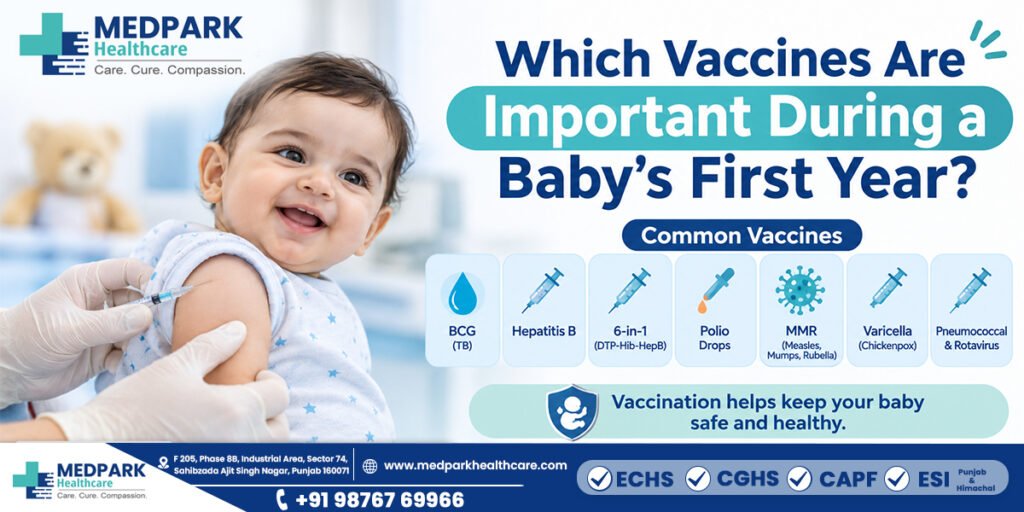
For new parents, understanding which vaccines are due and when to visit the doctor can sometimes feel overwhelming. Different vaccines are given at different ages, and some need multiple doses to provide the recommended protection.
Following an age-appropriate vaccination plan helps parents stay organised and reduces the chances of missing important doses. Let’s understand the vaccines commonly recommended during a baby’s first year in India.
Why Is Vaccination Important for Babies?
A newborn does not have a fully developed immune system. Although some protection is passed from the mother during pregnancy, this protection is limited and gradually decreases.
Vaccines help the baby’s immune system recognise specific germs and prepare to fight them. They reduce the risk of serious illnesses and their complications.
Timely immunisation helps protect infants against diseases such as tuberculosis, polio, hepatitis B, whooping cough, rotavirus infection, pneumococcal disease and measles.
Parents should remember that vaccination is not a one-time activity. It involves several appointments throughout infancy and childhood.
First-Year Baby Vaccination Schedule in India
India’s Universal Immunization Programme (UIP) provides vaccines to protect children against several preventable diseases. The Indian Academy of Pediatrics (IAP) also recommends additional vaccines that parents can discuss with their paediatrician.
Here is a general overview of the National Immunization Schedule during the first year.
| Age | Vaccines under the National Immunization Schedule |
| At birth | BCG, OPV-0 and Hepatitis B birth dose |
| 6 weeks | OPV-1, Pentavalent-1, Rotavirus-1, fIPV-1 and PCV-1 |
| 10 weeks | OPV-2, Pentavalent-2 and Rotavirus-2 |
| 14 weeks | OPV-3, Pentavalent-3, fIPV-2, Rotavirus-3 and PCV-2 |
| 9–12 months | MR-1 and PCV booster, as applicable |
Japanese Encephalitis (JE) vaccine is also included in the government schedule for children living in identified endemic areas.
The exact vaccines and timing should be confirmed with the local immunisation centre or paediatrician. The number of doses for certain vaccines can also depend on the product being used.
Vaccines Your Baby May Receive During the First Year
1. BCG Vaccine: Protection Against Severe Tuberculosis
BCG is usually administered soon after birth. It helps protect young children against serious forms of tuberculosis, including infections that can affect the brain and other organs.
Tuberculosis can be particularly harmful during early childhood. Giving the vaccine at the recommended time is an important part of newborn immunisation.
2. Hepatitis B Vaccine: Early Protection for the Liver
The first dose of the hepatitis B vaccine is recommended within 24 hours of birth.
Hepatitis B is a viral infection that affects the liver. When infection occurs during infancy, there is a greater chance of developing a long-term infection.
The birth dose provides an important early layer of protection. Further doses are included in the pentavalent vaccination schedule.
3. Polio Vaccines: OPV and IPV
Polio is an infectious disease that can affect the nervous system. In severe cases, it can cause permanent paralysis.
Babies receive oral polio vaccine (OPV) doses as part of the national schedule. Fractional doses of inactivated polio vaccine (fIPV) are also given during infancy.
Completing the recommended doses is important for building protection against poliovirus.
4. Pentavalent Vaccine: Protection Against Five Diseases
The pentavalent vaccine is given at 6, 10 and 14 weeks under India’s National Immunization Schedule.
One vaccine helps protect against five infections:
- Diphtheria
- Pertussis, commonly known as whooping cough
- Tetanus
- Hepatitis B
- Haemophilus influenzae type b (Hib)
These diseases can cause serious health problems, including severe respiratory infections, nervous system complications and infections affecting the bloodstream.
5. Rotavirus Vaccine: Reducing the Risk of Severe Diarrhoea
Rotavirus is one of the causes of severe diarrhoea in infants and young children. Frequent loose stools and vomiting can lead to dehydration, which may require medical attention.
The rotavirus vaccine helps protect babies against severe illness caused by this infection.
The vaccine is given during infancy. Its dose schedule depends on the vaccine product and the recommended immunisation plan.
6. Pneumococcal Conjugate Vaccine (PCV)
Pneumococcal bacteria can cause several infections, including pneumonia, meningitis and bloodstream infections.
The pneumococcal conjugate vaccine helps protect children against serious disease caused by the pneumococcal strains covered by the vaccine.
Under India’s government schedule, PCV is given during infancy, followed by a booster at 9–12 months.
7. Measles-Rubella Vaccine
The first dose of the measles-rubella (MR) vaccine is generally scheduled between 9 and 12 months under India’s National Immunization Schedule.
Measles can cause fever, cough and skin rashes. In some children, it may lead to complications such as pneumonia. Rubella is another viral infection that vaccination helps prevent.
The MR vaccine protects against both diseases and is an important part of childhood immunisation.
Additional Vaccines Parents Can Discuss With Their Paediatrician
Apart from the vaccines provided through the government programme, the Indian Academy of Pediatrics recommends additional immunisation for children.
Depending on the baby’s age and medical history, the paediatrician may discuss:
Influenza Vaccine: This vaccine helps protect against seasonal flu. It is recommended from 6 months of age, with a second dose after the advised interval for children receiving it for the first time.
Typhoid Conjugate Vaccine (TCV): This vaccine helps protect against typhoid fever and is recommended from 6 months of age in the IAP schedule.
MMR Vaccine: It provides protection against measles, mumps and rubella. The IAP recommends the first dose at 9 months.
Hepatitis A Vaccine: This vaccine helps prevent hepatitis A, an infection that affects the liver. It is recommended from 12 months of age in the IAP schedule.
The timing and number of doses may differ depending on the vaccine formulation and the child’s vaccination history. Parents should not independently combine or change schedules.
Are Mild Reactions Normal After Vaccination?
Some babies may show temporary reactions after receiving a vaccine. These are generally mild and settle on their own.
Parents may notice:
- A slight increase in body temperature
- Redness or tenderness where the injection was given
- Mild swelling
- Temporary irritability or crying
- Changes in sleep patterns
Not every baby experiences these reactions. Follow the paediatrician’s instructions for managing discomfort or fever.
If your baby develops breathing difficulty, becomes unusually unresponsive or shows signs of a serious allergic reaction, seek emergency medical care.
What Should You Do If a Vaccination Is Missed?
Sometimes parents miss an appointment because the baby is unwell, the family is travelling or an unexpected situation arises.
A missed vaccine dose does not mean that the entire vaccination process has to start again. In many cases, the remaining doses can be planned through a catch-up schedule.
Contact your paediatrician or vaccination centre and carry the baby’s immunisation card. The doctor can check which doses have already been given and advise when the next one should be administered.
Avoid giving extra doses or changing the schedule without professional guidance.
Simple Ways to Stay Updated With Your Baby’s Vaccinations
Keeping track of multiple appointments becomes easier with a little preparation.
- Keep the vaccination card in a safe and accessible place.
- Record the date of each vaccine immediately after the appointment.
- Ask the doctor about the next scheduled dose.
- Set reminders on your phone or calendar.
- Inform the paediatrician about previous reactions or ongoing health concerns.
- Check with the doctor before postponing a vaccine.
These habits can help parents manage their baby’s immunisation appointments more confidently.
Baby Vaccination Guidance at MedPark Hospital, Mohali
Every baby has individual health needs. Parents may have questions about vaccination dates, additional vaccines, possible side effects or what to do after a missed appointment.
At MedPark Hospital, Mohali, parents can consult a paediatrician for guidance on age-appropriate immunisation, routine child health assessments and vaccination-related concerns.
If you are planning your baby’s first-year vaccinations, a consultation can help you understand the recommended schedule and the next steps for your child.
MedPark Hospital, Mohali
Website: https://medparkhealthcare.com
Contact: +91 9876769966
Location: Sector 74, Mohali, Punjab
Frequently Asked Questions
1. Which vaccines should a baby receive immediately after birth?
Under India’s National Immunization Schedule, newborns are given BCG, OPV-0 and the hepatitis B birth dose. The hepatitis B dose should ideally be administered within 24 hours of birth.
2. When is the next vaccination due after birth?
The next routine immunisation appointment is generally at 6 weeks of age. Vaccines include OPV-1, Pentavalent-1, Rotavirus-1, fIPV-1 and PCV-1 under the national programme.
3. Are additional vaccines needed apart from government-scheduled vaccines?
The IAP recommends additional vaccines, including influenza, typhoid conjugate, MMR and hepatitis A at their respective recommended ages. Discuss these options with your paediatrician.
4. Should I worry if my baby develops a mild fever after vaccination?
A mild fever can occur after some vaccines and is usually temporary. Follow your doctor’s advice. If your baby appears seriously unwell or develops concerning symptoms, seek medical attention.
5. What happens if my baby misses a vaccination appointment?
Contact your paediatrician or immunisation centre. They can review the vaccination record and prepare a suitable catch-up plan.
Conclusion
Vaccination during the first year helps protect babies against several infections at a time when their immune systems are still developing. From the vaccines given at birth to the doses scheduled during the following months, each appointment has a role in childhood preventive care.
Parents should follow the recommended immunisation schedule, maintain an updated vaccination record and discuss any concerns with a qualified paediatrician.
Medical Disclaimer: This article is intended for general educational purposes. It does not replace professional medical advice, diagnosis or treatment. Consult a qualified doctor for individual health concerns.
Follow MedPark Hospital on Google
Stay updated with our latest health articles and hospital news.