

Piles, also called haemorrhoids, are one of the most common health conditions affecting people today. Even though the problem is very common, many individuals hesitate to discuss it openly because of embarrassment or fear of treatment. As a result, patients often continue to suffer silently until the symptoms become severe and start affecting daily life. Persistent pain, bleeding, swelling, and discomfort while sitting or passing stool can make even simple activities stressful and uncomfortable.
At MedPark Hospital, patients can access modern and reliable haemorrhoids treatment Mohali with the support of experienced medical specialists and advanced healthcare technology. The hospital focuses on providing accurate diagnosis, effective treatment, and patient-friendly care for every stage of haemorrhoids. With modern procedures such as laser piles surgery Mohali, treatment has become safer, less painful, and much more comfortable compared to traditional surgical methods.
Understanding Haemorrhoids
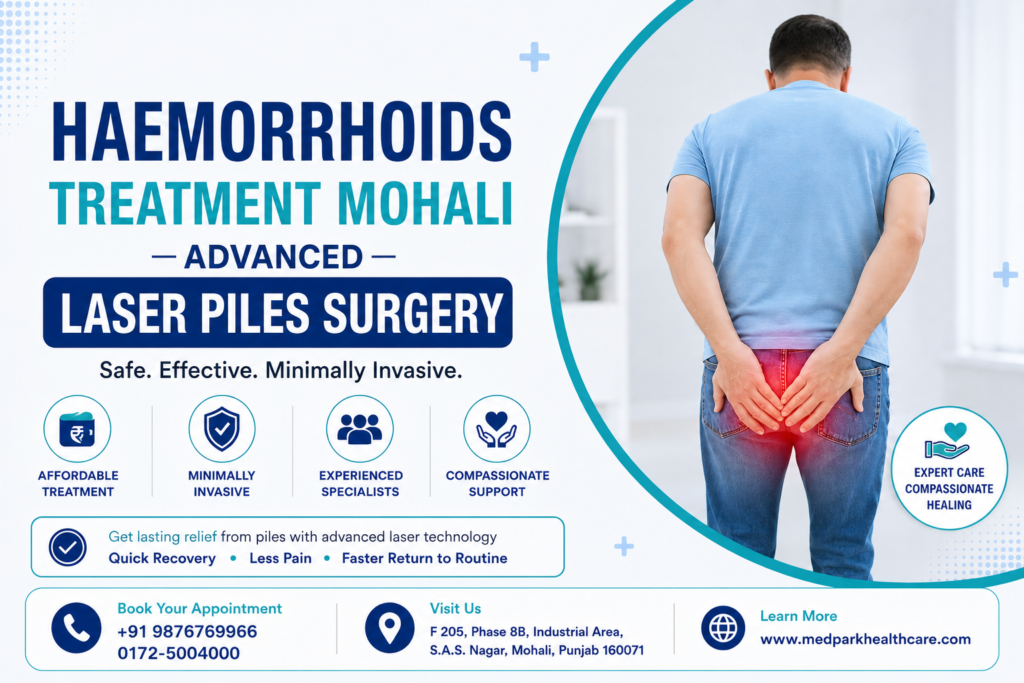
Haemorrhoids are swollen veins that develop in the lower rectum or around the anus. These veins are naturally present in the body and help maintain normal bowel control. However, when too much pressure is placed on these veins repeatedly, they become enlarged and inflamed, leading to the condition known as piles.
Haemorrhoids may occur inside the rectum or outside around the anal opening. Internal haemorrhoids are located deeper inside the rectum and usually do not cause pain during the early stages. However, they may lead to bleeding during bowel movements. External haemorrhoids develop under the skin surrounding the anus and often cause pain, itching, irritation, and swelling because the outer anal area contains sensitive nerve endings.
The condition can range from mild irritation to severe pain and discomfort. Some people may only experience occasional symptoms, while others may face continuous bleeding and difficulty performing everyday activities comfortably.
Why Piles Are Increasing in Modern Lifestyles
The increasing number of piles cases is closely linked to modern lifestyle habits. Long working hours, lack of exercise, unhealthy eating patterns, stress, and reduced physical movement have significantly affected digestive health in recent years.
Many individuals spend most of their day sitting in offices, driving vehicles, or using digital devices without taking enough breaks for movement. Prolonged sitting slows blood circulation in the lower body and places additional pressure on the rectal veins.
At the same time, fast food and processed meals have replaced healthy fiber-rich diets for many people. Foods low in fiber often lead to constipation, which is one of the major causes of haemorrhoids. When stools become hard and difficult to pass, excessive straining during bowel movements puts pressure on the veins in the rectal area.
Irregular eating schedules, poor hydration, obesity, and stress further increase digestive problems and contribute to piles development. These lifestyle factors explain why haemorrhoids are now commonly seen even among younger adults.
Common Causes of Haemorrhoids
Several factors can increase the risk of developing haemorrhoids. In most cases, piles occur due to repeated pressure on the veins around the anus and rectum.
Chronic Constipation
Constipation is one of the biggest contributors to piles. When bowel movements become difficult, individuals often strain excessively while passing stool. This repeated pressure weakens the veins in the rectal area and causes them to swell over time.
People suffering from constipation may also spend long periods sitting in the toilet, which further increases pressure on the anal veins and worsens the condition.
Low-Fiber Diet
Fiber plays a very important role in maintaining smooth bowel movements. A diet lacking fruits, vegetables, whole grains, and other fiber-rich foods can make stools dry and hard. Difficult bowel movements increase strain and eventually lead to haemorrhoids.
People who frequently consume spicy foods, processed snacks, and junk food are at greater risk of developing digestive issues and piles.
Sedentary Lifestyle
Physical inactivity affects digestion and blood circulation. Sitting continuously for several hours can create pressure in the lower rectal veins, increasing the risk of haemorrhoids. This is commonly seen in office workers, drivers, and individuals who rarely engage in exercise.
Obesity
Excess body weight increases pressure on the abdomen and pelvic veins. Obesity also affects overall circulation and digestive function, making haemorrhoids more likely to occur.
Pregnancy
Pregnant women frequently develop haemorrhoids because of hormonal changes and increased pressure from the growing uterus. The strain placed on pelvic veins during pregnancy and childbirth often contributes to swollen haemorrhoids.
Heavy Weight Lifting
Lifting heavy objects repeatedly without proper support can place additional strain on abdominal and rectal veins, increasing the risk of piles.
Symptoms of Haemorrhoids
The symptoms of haemorrhoids can differ depending on the severity and location of the swollen veins. Some patients experience mild discomfort, while others face severe pain and persistent bleeding.
Bleeding During Bowel Movements
One of the most common symptoms of piles is bright red bleeding during or after passing stool. Some patients notice blood on toilet paper, while others may see blood in the toilet bowl.
Although bleeding may initially appear minor, repeated blood loss should never be ignored because it may indicate worsening haemorrhoids or other digestive conditions.
Pain and Discomfort
External haemorrhoids often cause pain and discomfort while sitting, walking, or passing stool. In severe cases, the pain may become constant and affect normal daily activities.
Itching and Irritation
Inflammation around the anal area may cause persistent itching and irritation. This can become extremely uncomfortable and may worsen if the area is scratched repeatedly.
Swelling Around the Anus
Some patients may notice a lump or swelling near the anal opening. This swelling may feel tender and painful, especially if blood clots develop inside the haemorrhoid.
Difficulty During Bowel Movements
Large haemorrhoids may create obstruction during stool passage, leading to discomfort and a feeling of incomplete bowel emptying.
Diagnosis and Evaluation at MedPark Hospital
At MedPark Hospital, specialists perform detailed evaluations to identify the severity of haemorrhoids and recommend the most suitable treatment option.
Doctors begin by discussing the patient’s symptoms, medical history, bowel habits, and lifestyle patterns. Depending on the condition, diagnostic procedures may include:
- Physical examination
- Digital rectal examination
- Proctoscopy
- Colonoscopy in selected cases
Proper diagnosis is important because symptoms like bleeding and pain can sometimes be linked to other gastrointestinal disorders.
Haemorrhoids Treatment Mohali at MedPark Hospital
MedPark Hospital offers comprehensive haemorrhoids treatment Mohali with a focus on long-term relief, patient comfort, and faster recovery.
Treatment plans are designed according to the patient’s condition, severity of symptoms, and overall health status.
Lifestyle and Dietary Changes
For mild haemorrhoids, doctors often recommend improving eating habits and daily routines. Patients are encouraged to consume more fiber-rich foods, drink enough water, and avoid prolonged sitting.
Regular exercise improves digestion and blood circulation, helping reduce pressure on rectal veins. Patients are also advised to avoid delaying bowel movements because this can worsen constipation.
Medications and Non-Surgical Management
In early stages, medications may help reduce pain, swelling, inflammation, and itching. Doctors may prescribe ointments, creams, stool softeners, or anti-inflammatory medicines for symptom relief.
However, medications usually provide temporary improvement and may not completely eliminate advanced haemorrhoids.
Laser Piles Surgery Mohali – Advanced and Modern Treatment
For patients with moderate or severe haemorrhoids, laser piles surgery Mohali provides a highly advanced treatment option with excellent results.
Laser surgery uses focused laser energy to treat swollen hemorrhoidal tissue with high precision. Unlike traditional surgery, laser treatment causes minimal injury to nearby healthy tissues, making the procedure much safer and more comfortable.
Benefits of Laser Piles Surgery
Less Pain After Surgery
Because laser treatment is minimally invasive, patients experience much less pain compared to conventional surgical procedures.
Faster Recovery Time
Healing is usually quicker, allowing patients to resume normal activities within a shorter period.
Minimal Bleeding
Laser technology seals blood vessels during the procedure, reducing blood loss and postoperative bleeding.
Lower Risk of Infection
Smaller wounds and minimal tissue damage reduce the chances of infection and complications.
Short Hospital Stay
Most patients can return home on the same day or shortly after surgery.
Recovery After Laser Treatment
Recovery following laser piles surgery is generally smooth when patients follow proper medical advice. Doctors usually recommend:
- Eating high-fiber foods
- Drinking plenty of fluids
- Maintaining hygiene
- Avoiding heavy lifting
- Taking medications as prescribed
- Attending follow-up consultations
Following these instructions helps ensure faster healing and prevents recurrence.
Why Choose MedPark Hospital?
MedPark Hospital is committed to providing quality healthcare with modern infrastructure and experienced medical professionals. Patients receive personalized care from diagnosis to recovery, ensuring comfort and confidence throughout treatment.
The hospital focuses on advanced surgical techniques, patient safety, and compassionate healthcare services to achieve better treatment outcomes.
Conclusion
Haemorrhoids can cause significant discomfort and affect quality of life if left untreated. Symptoms such as pain, bleeding, swelling, and irritation should never be ignored. Seeking timely medical care can prevent complications and provide long-term relief.
At MedPark Hospital, patients receive advanced haemorrhoids treatment Mohali with modern facilities and expert medical support. With the availability of laser piles surgery Mohali, treatment has become safer, less painful, and more effective than ever before. Early diagnosis, healthy lifestyle habits, and proper medical care can help patients recover comfortably and return to a healthier, pain-free life.