
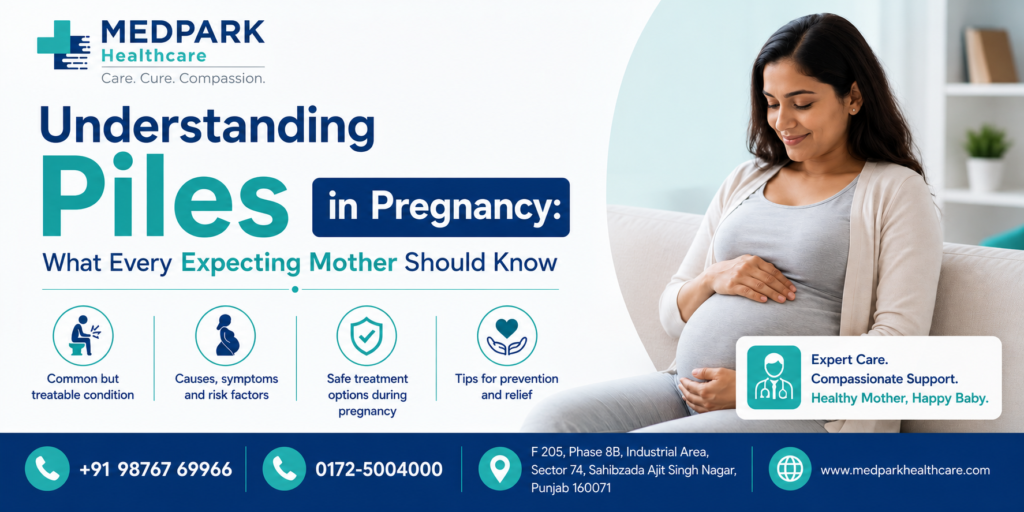
Pregnancy is a beautiful journey, but it also brings many physical changes that can sometimes cause discomfort. One such common yet often unspoken problem is piles, also known as hemorrhoids. Many women experience this condition during pregnancy, especially in the later months. Understanding Piles During Pregnancy: Causes, Symptoms, and Treatment can help expectant mothers manage the condition effectively and seek timely medical care when needed.
What Are Piles?
Piles are swollen and inflamed veins in the rectal or anal area. They can be internal (inside the rectum) or external (around the anus). During pregnancy, piles usually develop due to increased pressure in the pelvic region and changes in blood circulation. Although piles are not dangerous, they can cause significant discomfort and affect daily activities if left unmanaged.
Why Piles Are Common During Pregnancy
Several pregnancy-related factors increase the risk of developing piles:
Increased pressure from the growing uterus
As the baby grows, the uterus puts pressure on the pelvic veins and the lower part of the intestine. This pressure slows down blood flow, causing veins to swell.
Hormonal changes
Pregnancy hormones, especially progesterone, relax the walls of blood vessels. This makes veins more likely to enlarge and form piles.
Constipation
Constipation is very common during pregnancy due to hormonal changes, iron supplements, and reduced physical activity. Straining during bowel movements increases pressure on the rectal veins, leading to piles.
Weight gain
Additional body weight during pregnancy puts extra strain on the lower body veins, contributing to the development of piles.
Common Symptoms of Piles During Pregnancy
Symptoms may vary depending on whether the piles are internal or external. Common signs include:
- Pain or discomfort in the anal area
- Itching or irritation around the anus
- Swelling or a lump near the anus
- Bleeding during bowel movements
- A feeling of incomplete bowel evacuation
While mild symptoms may come and go, persistent or worsening symptoms should not be ignored.
Is Piles Dangerous During Pregnancy?
In most cases, piles during pregnancy are not dangerous and do not harm the baby. However, they can cause significant discomfort and stress for the mother. Severe pain, excessive bleeding, or infection requires medical attention to prevent complications such as anaemia or thrombosed piles. Early consultation with a doctor helps manage symptoms safely and reduces the need for aggressive treatment.
Diagnosis and Medical Evaluation
Diagnosis is usually based on a physical examination and medical history. Doctors take special care during pregnancy to ensure both mother and baby are safe. In most cases, advanced tests are not required unless symptoms are severe or unusual.
At MedPark Hospital, pregnant women receive careful evaluation and personalised treatment plans designed to prioritise comfort and safety.
Safe Treatment Options During Pregnancy
Treatment for piles during pregnancy focuses mainly on symptom relief and prevention. Surgery is rarely needed during pregnancy unless complications arise.
Lifestyle and dietary changes
Increasing fibre intake through fruits, vegetables, and whole grains helps prevent constipation. Drinking plenty of water also makes stools softer and easier to pass.
Healthy bowel habits
Avoid straining during bowel movements and do not delay the urge to use the toilet. Spending long periods sitting on the toilet should be avoided.
Topical treatments
Doctors may prescribe pregnancy-safe creams or ointments to reduce pain, itching, and swelling. Self-medication should be avoided.
Warm sitz baths
Soaking the anal area in warm water for 10–15 minutes can provide relief from pain and discomfort.
Physical activity
Light exercises such as walking improve blood circulation and help reduce constipation.
Can Piles Be Treated After Delivery?
In many cases, piles improve or disappear after childbirth once pressure on the pelvic veins reduces. However, some women may continue to experience symptoms after delivery.
If piles persist postpartum, doctors may recommend additional treatments, including minimally invasive procedures or surgery, depending on the severity. These treatments are usually safe and effective once the body has recovered from childbirth.
When to See a Doctor
Pregnant women should seek medical advice if they experience:
- Severe or persistent pain
- Heavy rectal bleeding
- Signs of infection such as fever or redness
- Difficulty sitting or walking due to pain
Timely consultation helps prevent complications and ensures peace of mind during pregnancy.
Preventing Piles During Pregnancy
While piles cannot always be prevented, the following steps can reduce the risk:
- Eat a fibre-rich diet
- Stay well-hydrated
- Maintain regular physical activity
- Avoid prolonged sitting or standing
- Use proper posture while sitting
- Follow medical advice regarding iron supplements
Small daily habits can make a big difference in preventing discomfort.
Why Choose MedPark Hospital for Piles Care?
MedPark Hospital is a trusted multi speciality healthcare centre offering comprehensive care for women’s health concerns. The hospital provides compassionate, confidential, and expert medical support for pregnancy-related conditions, including piles.
What sets MedPark Hospital apart:
- Experienced doctors and specialists
- Patient-friendly and safe treatment approaches
- Modern diagnostic and treatment facilities
- Focus on mother and baby safety
- Personalised care and clear medical guidance
The hospital ensures that expectant mothers feel supported, informed, and comfortable throughout their treatment journey.
Final Thoughts
Piles during pregnancy can be uncomfortable, but they are manageable with the right care and guidance. Understanding the causes, recognising symptoms early, and following safe treatment options can greatly improve comfort and quality of life during pregnancy.
If you are expecting and experiencing symptoms of piles, do not hesitate to seek professional medical advice. With timely care and expert support, you can focus on enjoying a healthy and confident pregnancy journey.
MedPark Hospital remains committed to providing safe, compassionate, and effective care for mothers at every stage of pregnancy.